

 By
By 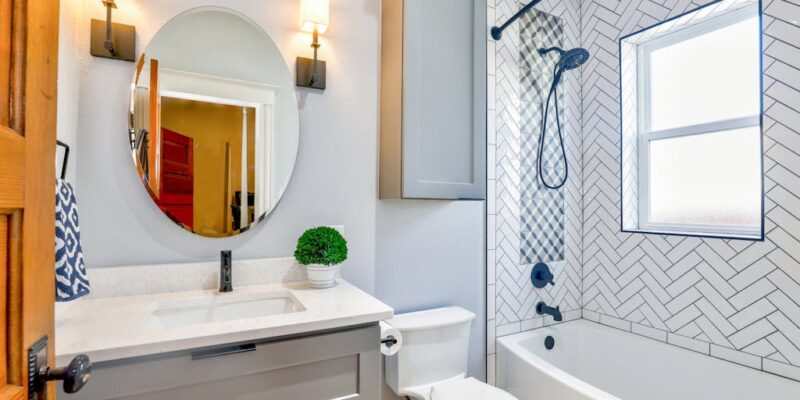
A bathroom remodel can add comfort, style, and value to your home. With the right plan, you can avoid delays, extra costs, and stress. The key is to set clear goals, choose materials wisely, and follow a simple, step-by-step approach. These essential tips will help you plan a smooth, successful bathroom remodel—from setting a budget to selecting lighting—so you end up with a space that looks great and works well for everyday life.
Set a Realistic Budget
Start by deciding how much you can spend, and include a small cushion for surprises. Break your budget into parts like labor, materials, fixtures, and finishes. Knowing your limits helps you make smart choices and prevents overspending when you see upgrades you love.
Define Your Needs and Style
Think about how you use the bathroom each day. Do you need more storage, a larger shower, or better lighting? Choose a simple style that fits your home, such as modern, classic, or farmhouse. Create a mood board to keep your colors, tiles, and fixtures consistent.
Plan the Layout and Ventilation
Keep the layout simple to save money and time. Moving plumbing costs more, so try to keep the toilet, sink, and shower in similar spots. Make sure you have strong ventilation with a good exhaust fan or a window to prevent mold, odors, and moisture damage.
Choose Durable, Water-Resistant Materials
Bathrooms deal with steam and splashes, so pick materials that resist water and wear. Porcelain or ceramic tile, quartz counters, and moisture-resistant paint are smart choices. For flooring, avoid hardwood and choose tiles or vinyl designed for wet spaces.
Prioritize Waterproofing
Waterproofing is not the place to cut corners. Use proper shower membranes, sealed grout, and high-quality caulk around tubs, sinks, and fixtures. A well-sealed bathroom protects your walls and floors and reduces the chance of costly repairs later.
Layer Your Lighting
Good lighting makes a big difference. Use a mix of overhead lights for general brightness and task lights near the mirror for shaving or makeup. Choose warm, bright bulbs and consider dimmers for relaxing baths at night.
Smart Storage and Space Savers
Plan storage to keep the room tidy. Use vanity drawers, medicine cabinets, floating shelves, or built-in niches in the shower. In small bathrooms, choose a wall-hung vanity or a sliding shower door to free up floor space.
Decide DIY vs. Professional Help
Simple tasks like painting or swapping hardware can be DIY. For plumbing, electrical work, tiling, or waterproofing, hire licensed pros. Get multiple quotes, check reviews, and ask for timelines. Quality work saves money and headaches in the long run.








Comments